Compare Litchfield and Woodbury for your next move-up home purchase, from home styles and land to lifestyle, privacy, and long-term value in two sought-after Connecticut towns.
For Connecticut buyers comparing towns at different price points, New Haven often enters the conversation for a very different reason than Litchfield or Woodbury: it offers an urban mix of history, culture, and neighborhood variety that can appeal to first-time buyers as well as those who want a more connected daily lifestyle. From East Rock and Wooster Square to Westville and Downtown, buyers can weigh walkability, architecture, dining, parks, and access to Yale alongside their budget and space needs.
That contrast matters when deciding whether to prioritize village charm and larger lots in inland towns or the energy, convenience, and housing diversity found in New Haven. Condos, multifamily opportunities, and classic single-family homes all shape the city’s appeal, giving buyers multiple entry points depending on goals and price range. For anyone evaluating where lifestyle and value meet, New Haven provides a useful benchmark in the broader Connecticut home search.
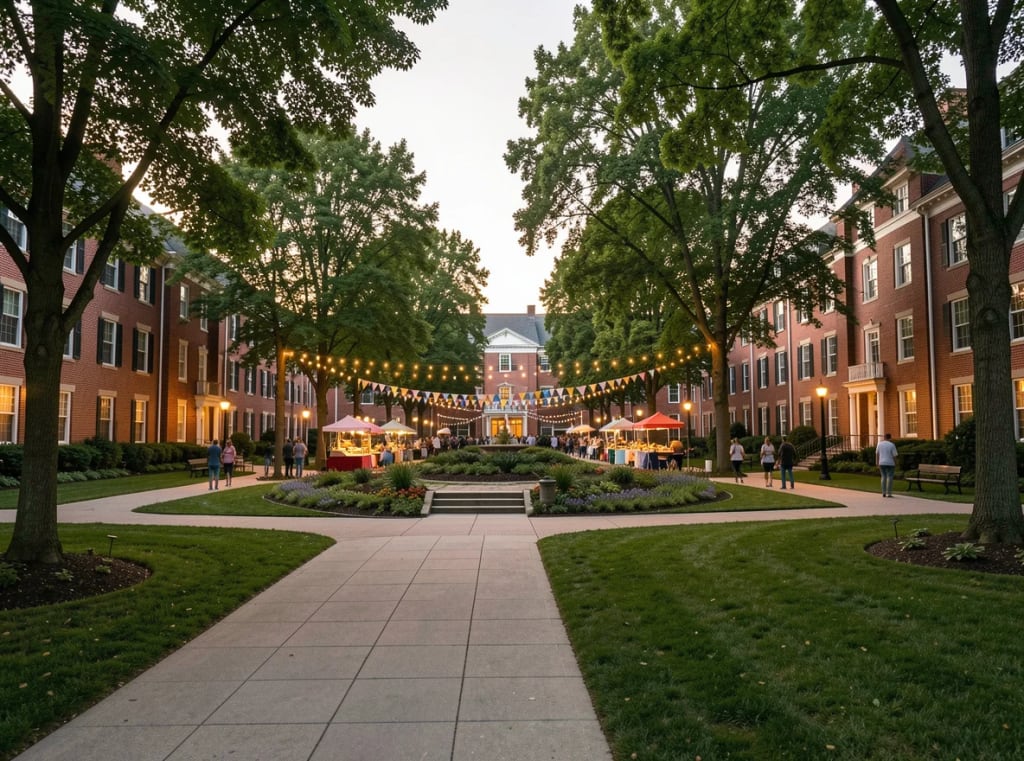
For move-up buyers, the neighborhood feel in Litchfield and Woodbury can shape value just as much as square footage. Litchfield tends to deliver a more classic Litchfield Hills setting, with quiet village greens, winding roads, stone walls, and homes framed by rolling wooded hills. Buyers comparing options often notice how areas near the village center can feel more polished and historic, while properties farther out offer broader land, more privacy, and a stronger rural retreat atmosphere. That mix can appeal to buyers who want charm, scenery, and a sense of separation without leaving Northwest Connecticut.
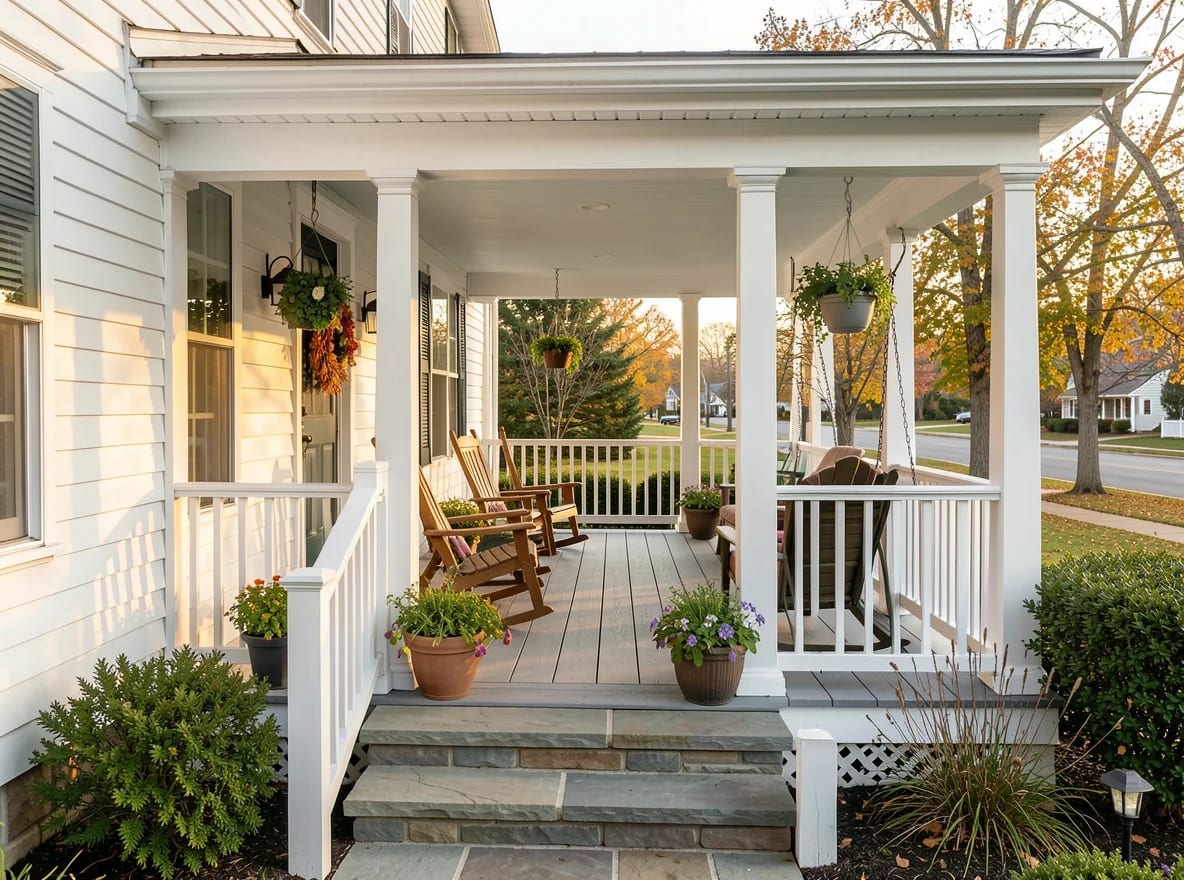
Woodbury offers a different version of that appeal. Its long village streetscape, antique-town identity, and broad residential stretches create a setting that often feels more connected to everyday errands and local shopping while still preserving a rural New England backdrop. Move-up buyers may find that Woodbury balances country space with a slightly more accessible, lived-in village pattern, especially along Main Street corridors and nearby side roads. In practical terms, that can influence how buyers weigh convenience, lot size, and long-term resale. Those prioritizing a more tucked-away hillside or estate feel may lean toward Litchfield, while buyers seeking a blend of village character, usable land, and approachable day-to-day access may see stronger value in Woodbury.
For move-up buyers comparing Connecticut communities, schools and educational access often play a major role in narrowing the search. In New Haven, families can evaluate a broad mix of public schools, magnet options, charter programs, and independent schools, which creates more variety than many smaller towns offer. That flexibility can matter for buyers balancing commute patterns, budget, and long-term plans.
Yale University also has a visible influence on the city. Beyond its campus presence, Yale supports lectures, museums, libraries, research activity, and community programs that add to New Haven's academic culture. Buyers who value proximity to educational institutions, tutoring resources, and enrichment opportunities often see that as part of the city's appeal.
For households weighing New Haven against places like Litchfield or Woodbury, the education conversation is less about one-size-fits-all rankings and more about fit, access, and the kind of daily environment they want around their next home.
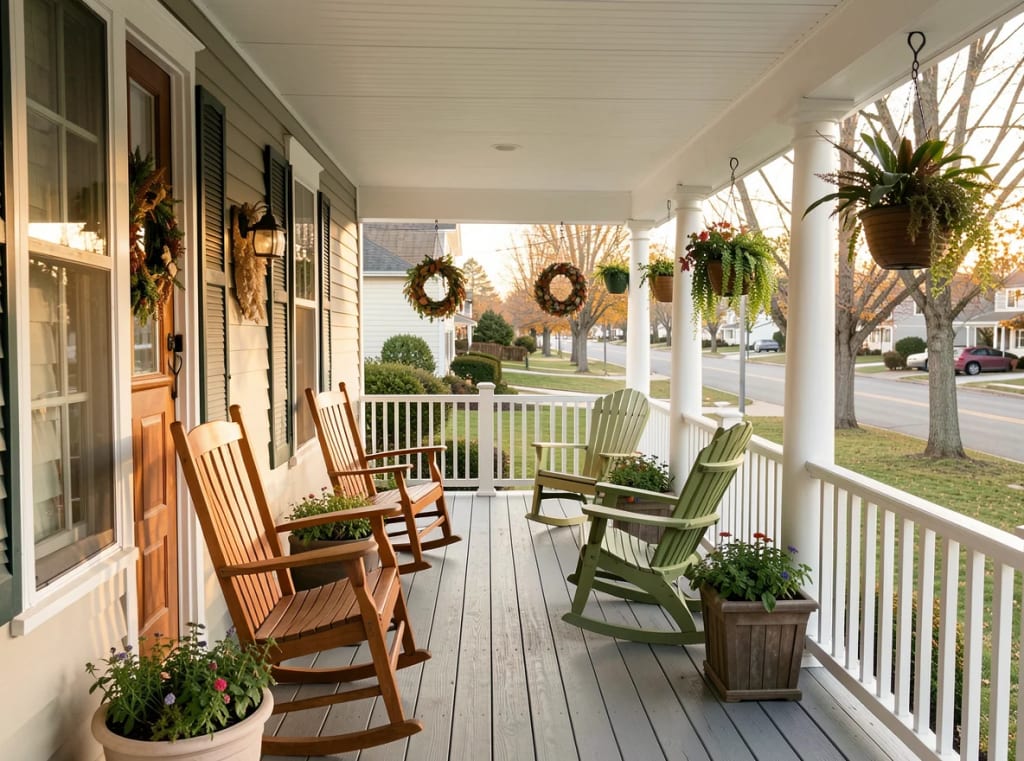
For move-up buyers comparing Litchfield and Woodbury, the market often comes down to how much land, privacy, and architectural character you want for the price. In both towns, buyers will usually find colonials, Cape-style homes, farmhouses, and ranch properties, but Litchfield often commands stronger pricing for homes with scenic hilltop settings, proximity to Bantam Lake, or a more established village-center feel. Woodbury also offers classic New England character, yet many buyers see it as a place where they may gain a bit more flexibility in lot size, updates, or overall square footage at similar price points.
Competition can still be meaningful in either town when a well-maintained home hits the market with broad appeal, especially properties with stone walls, mature trees, and updated kitchens or baths. Buyers should expect the best homes to move fastest, while listings needing cosmetic work may offer more negotiating room and long-term upside. From a value perspective, Litchfield can appeal to buyers prioritizing setting and prestige, while Woodbury may stand out for those balancing charm, usable space, and budget discipline as they move up.
For move-up buyers weighing Litchfield against Woodbury, the most useful first step is to define what you want more of in your next home: acreage, architectural character, village proximity, or easier day-to-day convenience. In Litchfield, buyers often pay for classic hill-town scenery, larger rural settings, and a strong sense of retreat. In Woodbury, many buyers are drawn to long village streetscapes, antique-home character, and practical access to local shops, farm stands, and commuting routes.
Before touring, set a firm budget that includes taxes, maintenance, and any updates older Connecticut homes may require. Ask for side-by-side comparisons of lot size, condition, road setting, and resale potential so you can judge value beyond list price alone. A knowledgeable local agent can help you spot when one town offers more privacy, while the other offers better everyday usability for the same budget range.
Sign in with your email address
You’re being redirected to the page with listing data.